Key Pointers
- Rotational atherectomy is a specialised procedure for patients with heavily calcified coronary artery disease.
- It is not a replacement for balloons and stents but an additional step that helps doctors prepare hardened arteries for stenting.
- Earlier use of this technique was associated with complications, but refinements in skills and technology have improved its safety and role.
- It should be performed by cardiologists with the necessary training in centres equipped for complex procedures.
What Is Rotational Atherectomy
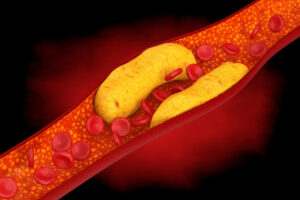
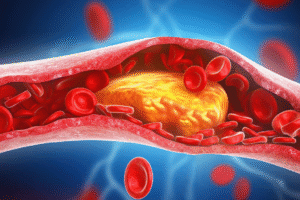
Coronary artery disease occurs when fatty deposits and calcium build up inside the blood vessels that supply the heart. In some patients, these deposits harden to the point that standard balloons cannot expand the narrowed artery.
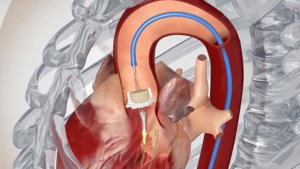
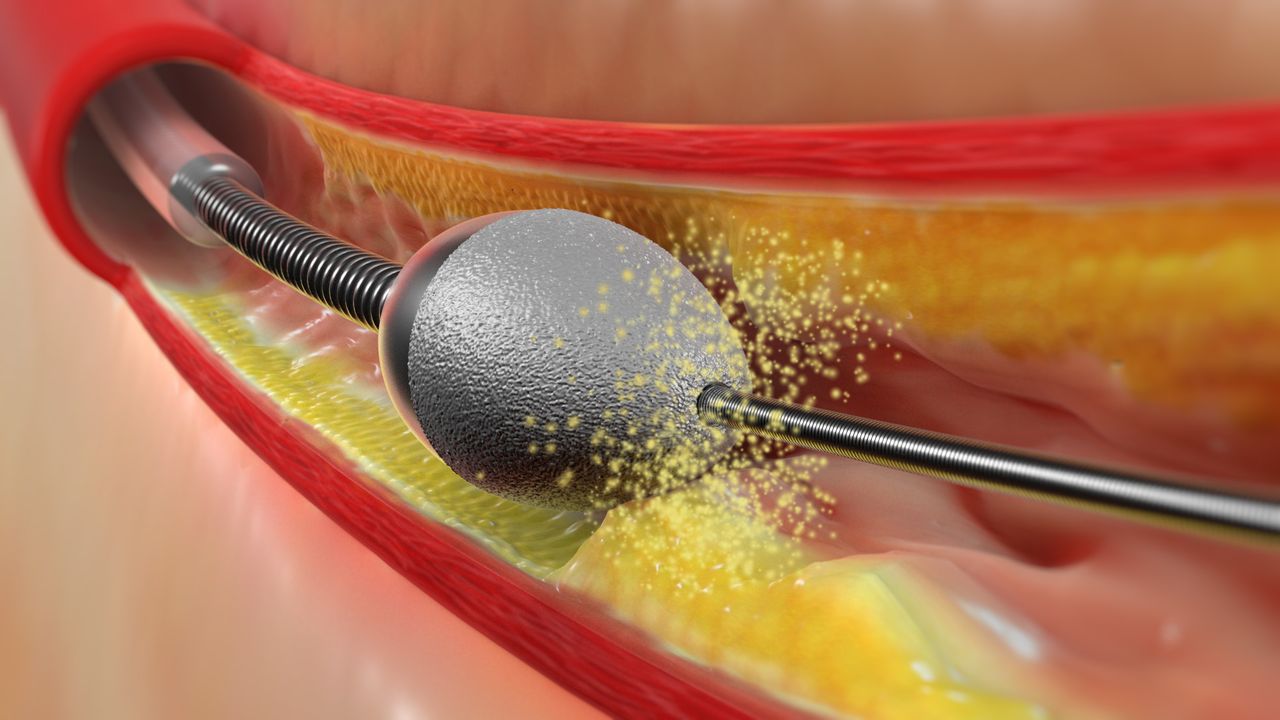
Rotational atherectomy is a method used to modify these hardened plaques. A tiny, diamond-coated burr rotates at high speed to gently shave the surface of the calcified plaque, fracturing them and creating more room for the artery to expand with a balloon and stent afterwards.
A Look Back: Early Use and Abandonment
When this procedure was first introduced decades ago, doctors attempted to “drill through” the entire blockage by progressively using larger burrs. While the intention was to clear the artery, this approach often caused complications such as vessel injury. Long-term results were also disappointing.
Because of these problems, rotational atherectomy was largely abandoned for many years.
Why It Has Returned in Modern Practice
Over the last decade, the role of rotational atherectomy has been redefined. With advances in stenting techniques and greater experience among interventional cardiologists, its purpose is no longer to eliminate all plaque but to prepare the artery:
- Modify calcified plaque – smoothen and thin down the surface of hardened blockages.
- Allow balloon expansion – once modified, balloons can be inflated safely and effectively.
- Enable proper stent placement – after the artery is prepared, a stent can be deployed to keep it open.
Then and Now: How the Role Has Changed
|
Earlier Approach
|
Modern Approach
|
|---|---|
|
Tried to “drill through” the entire blockage
|
Tried to “drill through” the entire blockage
|
|
Used progressively larger burrs
|
Uses a small burr at controlled speed
|
|
Aimed to clear/de-bulk the artery completely
|
Prepares the artery so balloons and stents can work
|
|
Often led to complications and poor long-term outcomes
|
Safer with improved techniques and better outcomes when combined with stents
|
In other words, rotational atherectomy is now an extra preparatory step, not a substitute for angioplasty and stenting.
Why Extra Skills and Experience Matter
Rotational atherectomy requires a specific set of technical skills beyond routine stenting. The procedure is typically performed in high-volume cardiology centres by cardiologists experienced in complex angioplasty. Patients with calcified coronary artery disease may be referred for this treatment if standard balloon inflation is not possible.
What Patients Can Expect During the Procedure
If rotational atherectomy is recommended, patients usually undergo it as part of a planned coronary angioplasty:
- A thin tube (catheter) is inserted through the wrist or groin.
- The specialised burr is guided to the site of the blockage.
- The burr rotates at very high speed, gently shaving the calcified plaque.
- After modification, a balloon is inflated and a stent is placed to restore blood flow.
Most patients remain awake but sedated during the procedure. Recovery times vary depending on the individual and whether additional treatments are needed.
Frequently Asked Questions
1. Is rotational atherectomy the same as having a stent?
No. Atherectomy prepares the artery by modifying hardened plaque. A balloon and stent are still needed afterwards to keep the artery open.
2. Is it safe?
Like all procedures, there are risks. However, with improved techniques and experienced cardiologists, rotational atherectomy is considered a safe option in carefully selected patients.
3. Who usually needs this procedure?
It is generally considered for patients with severe calcified coronary blockages that cannot be treated with balloons and stents alone.
4. Does it cure coronary artery disease?
No procedure can “cure” coronary artery disease. Atherectomy, balloons, and stents are part of overall treatment to restore blood flow. Long-term management also includes lifestyle changes and medications.
Take the Next Step, Book an Appointment
If you have been told you have calcified coronary artery disease, you may wonder whether rotational atherectomy is an option for you. This decision depends on the location and severity of your blockage, as well as your overall health.
At Heart Specialist International, our cardiology team offers comprehensive evaluation and interventional procedures, including rotational atherectomy when appropriate.
- +65 6962 1287
- Mount Elizabeth Novena Specialist Centre, 38 Irrawaddy Road #07-41, Singapore 329563
- Book an Appointment