Key Points
- Coronary imaging helps assess blood flow and artery narrowing in detail
- Not all coronary imaging involves high radiation exposure
- Some techniques (such as pressure wire studies, IVUS, OCT) do not significantly increase radiation
- Radiation doses are carefully controlled and kept as low as reasonably achievable
- The goal is always to balance diagnostic benefit with safety
When your doctor recommends coronary imaging, one of the first questions that often comes up is:
“Is this safe?”
And very quickly after that:
“How much radiation will I be exposed to?”
These are completely valid concerns. Knowing what these tests involve and why they are done can help you feel more informed and reassured.
What Is Coronary Imaging and Physiology?
Coronary imaging refers to techniques used to look at the heart’s arteries. These may be performed during a coronary angiogram or as part of further evaluation.
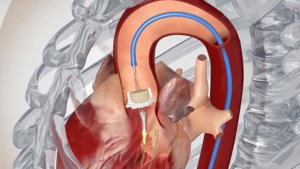
Coronary physiology does not simply assess how narrow an artery looks. Instead, it measures the pressure difference across a blockage using a specialised pressure wire.
This helps determine whether a narrowing is actually limiting blood flow to the heart muscle.
Why does this matter?
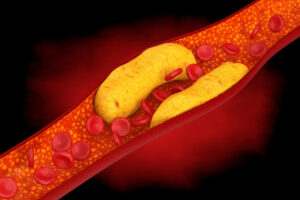
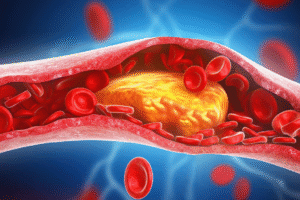
A blockage that looks significant on imaging may not always reduce blood flow. If there is no meaningful pressure drop across the narrowing:
- The blockage may not be causing symptoms
- Opening it with angioplasty may not improve well-being
- Medical treatment may be more appropriate
This approach allows treatment decisions to be guided by objective data rather than appearance alone.
Does Coronary Imaging Involve Radiation?
Some coronary investigations do involve radiation, particularly:
- Coronary angiograms
- CT coronary angiograms
- Fluoroscopy used during procedures
However, other components, such as pressure wire studies (FFR/iFR), intravascular ultrasound (IVUS), or optical coherence tomography (OCT), do not significantly increase radiation exposure beyond what is already required for the procedure itself.
Important to know:
- Radiation doses in modern cardiology are carefully monitored
- Equipment is designed to minimise exposure
- The duration of exposure is kept as short as possible
- The medical team continuously balances safety and diagnostic accuracy
For most patients, the level of radiation from a coronary angiogram is comparable to other common medical imaging procedures.
How Much Radiation Is Considered “Safe”?
There is no single “zero-risk” threshold in medical imaging. Instead, doctors follow the principle of:
Using the lowest radiation dose necessary to obtain useful diagnostic information.
In cardiology:
- Radiation exposure is measured in millisieverts (mSv)
- Typical coronary angiograms fall within a medically accepted safety range
- The clinical benefit of accurate diagnosis often outweighs the small theoretical long-term risk
For patients with significant symptoms, suspected coronary artery disease, or unclear findings on non-invasive tests, the information gained can directly influence management decisions.
What About Intra-Coronary Imaging Like IVUS or OCT?
Intra-coronary imaging such as:
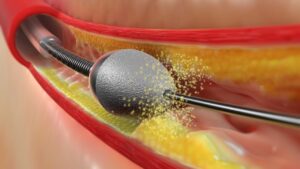
- Intravascular ultrasound (IVUS)
- Optical coherence tomography (OCT)
may be used once a decision has been made to treat a blockage with angioplasty.
These tools:
- Help assess the artery from inside the vessel
- Guide accurate stent sizing and placement
- Provide detailed structural information
They rely on ultrasound or light-based imaging rather than additional high-dose radiation. Their purpose is to improve procedural precision.
Is Coronary Physiology Testing Safer Than Treating Every Blockage?
Coronary physiology testing helps avoid unnecessary procedures.
If a borderline narrowing does not produce a significant pressure drop:
- Angioplasty may not be required
- Patients may be managed with medication instead
This reduces exposure not only to radiation but also to procedural risks.
In other words, physiology-guided care can help prevent overtreatment.
Should I Be Worried About Radiation From a Single Test?
For most patients, a single coronary angiogram or CT coronary angiogram does not pose a significant health risk.
Radiation risk becomes more relevant with:
- Repeated high-dose imaging over many years
- Very young patients
- Certain vulnerable populations
Your cardiologist considers:
- Your age
- Your symptoms
- Your clinical history
- Alternative testing options
before recommending any imaging study.
When Is Coronary Imaging Necessary?
Coronary imaging may be recommended if you have:
- Persistent chest discomfort
- Shortness of breath with exertion
- Abnormal stress test results
- Known coronary artery disease
- High-risk cardiac features
The purpose is not simply to “look inside,” but to clarify whether blood flow to the heart muscle is adequate.
Frequently Asked Questions
1. Is coronary angiography dangerous because of radiation?
The radiation dose is carefully controlled. For most patients, the risk from a single procedure is low and considered acceptable when the test is clinically indicated.
2. Does IVUS or OCT increase radiation exposure?
IVUS uses ultrasound and OCT uses light-based imaging. They do not significantly add radiation beyond what is already required for the angiogram.
3. Can coronary physiology testing reduce unnecessary stenting?
Yes. If pressure measurements show that a blockage is not limiting blood flow, medication may be recommended instead of angioplasty.
4. Are there non-radiation alternatives?
Some non-invasive tests such as stress echocardiography or cardiac MRI do not involve radiation. Your cardiologist will recommend the most appropriate test based on your condition.
5. How do doctors decide if the benefit outweighs the risk?
The decision is based on symptoms, clinical findings, and the likelihood that the imaging result will change management. The aim is always to use investigations judiciously.
Concerned About Coronary Imaging? Let’s Discuss.
If you have been advised to undergo coronary imaging and feel unsure about the safety or radiation involved, it is reasonable to ask questions.
At Heart Specialist International, discussions about investigations focus on:
- Whether the test is necessary
- What information will it provide
- How it will influence your care
- What alternatives may be available
Every recommendation is made with consideration for your overall health and long-term well-being.
Schedule a consultation to review your symptoms and understand your options clearly.
- +65 6962 1287
- Mount Elizabeth Novena Specialist Centre, 38 Irrawaddy Road #07-41, Singapore 329563
- Book an Appointment Online