Key Takeaways:
- High cholesterol often causes no symptoms but significantly increases the risk of heart disease and stroke.
- It contributes to plaque buildup in the arteries (atherosclerosis), which can lead to blockages.
- Regular cholesterol checks and lifestyle changes are essential for early detection and prevention.
When it comes to heart health, cholesterol is often the quiet culprit working behind the scenes. You can feel perfectly fine and still have dangerously high cholesterol levels silently causing damage.
What Is Cholesterol, and Why Does It Matter?
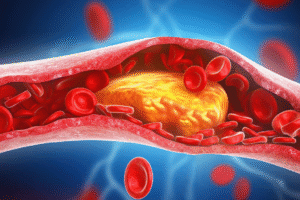
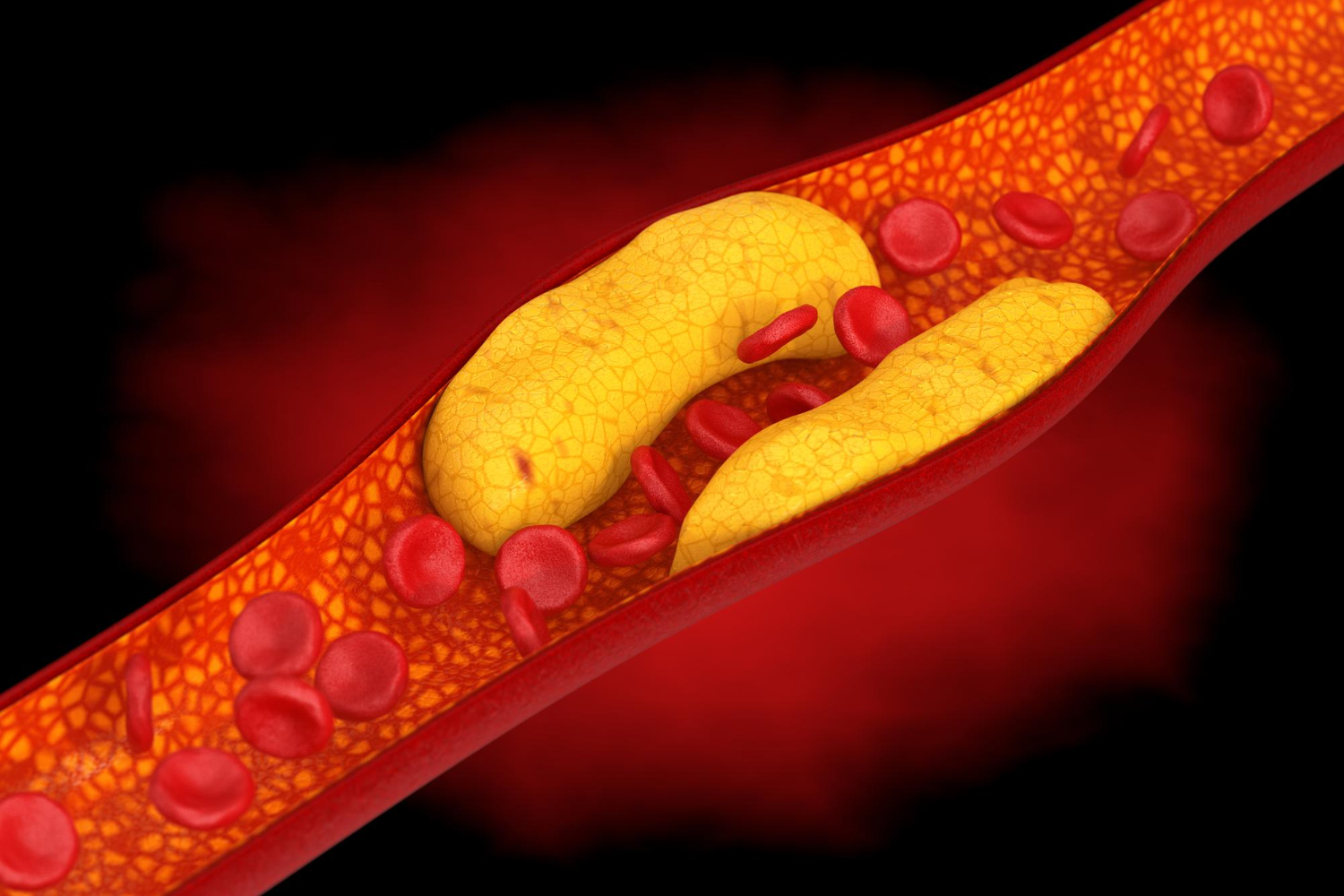
Cholesterol is a fatty substance found in your blood. Your body needs it to build cells and produce certain hormones. But too much low-density lipoprotein (LDL) cholesterol—often labelled as “bad cholesterol” can gradually build up in your arteries.
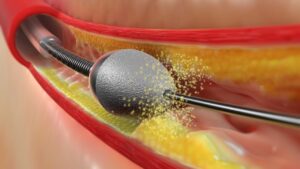
This buildup forms plaques that narrow or stiffen your arteries, a condition called atherosclerosis. Over time, these plaques can reduce or block blood flow to the heart and brain, leading to serious events like:
- Heart attack – when blood flow to part of the heart is cut off
- Stroke – when blood supply to part of the brain is interrupted
The Trouble Is: You May Not Feel It Coming
High cholesterol usually has no symptoms. Many people don’t know they have it until they experience a heart attack or stroke. That’s why it’s often called a “silent risk factor.”
The only way to know your cholesterol levels is through a blood test.
Who’s at Risk?
Several factors can increase your risk of high cholesterol:
- A diet high in saturated or trans fats (animal fat, coconut and palm oil)
- A sedentary lifestyle
- Smoking
- Excess weight or obesity
- Family history of high cholesterol or early heart disease
- Diabetes or other chronic conditions
Even if you eat well and exercise, genetics can still play a major role—making regular screening all the more important.
How It Affects the Heart
When cholesterol-rich plaques form inside your arteries, your heart has to work harder to pump blood through the narrowed space. This can lead to:
- Chest pain or angina due to reduced oxygen supply to the heart
- Clot formation, which can block a blood vessel entirely
- Heart muscle damage after a heart attack
Over time, untreated high cholesterol increases your risk of coronary artery disease (CAD), heart failure, and other cardiovascular complications.
The Good News: It’s Manageable
High cholesterol can be detected early and managed effectively with the right approach. This may include:
- Dietary adjustments (reducing saturated fat and increasing fibre)
- Regular physical activity
- Medication (such as statins), if recommended by your doctor
- Ongoing cholesterol and heart health monitoring
When Should You Get Checked?
You should consider a cholesterol check if:
- You’re aged 40 and above
- You have a family history of heart disease
- You have other risk factors like diabetes, high blood pressure, or are a smoker
- You haven’t had a screening in the past few years
Take Action for a Healthier Heart
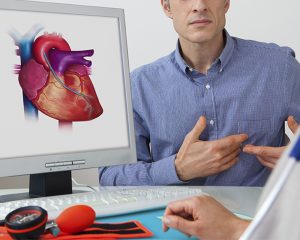
At Heart Specialist International, we offer heart screening services that include cholesterol testing, cardiac risk assessment, and consultation with a cardiologist. Early detection can make a significant difference in your long-term health.
- +65 6962 1287
- Mount Elizabeth Novena Specialist Centre
- Book a Heart Screening Appointment