Key Pointers
- Hyperlipidaemia refers to high levels of fats (lipids) in the blood, including cholesterol and triglycerides.
- It often has no noticeable symptoms, many people only discover it through blood tests.
- Left untreated, it increases the risk of heart attack, stroke, and peripheral artery disease.
- Regular screening and early management can help reduce long-term cardiovascular risk.
What Is Hyperlipidaemia?
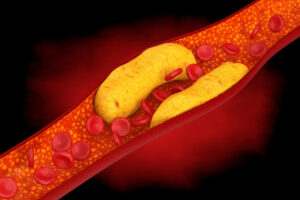
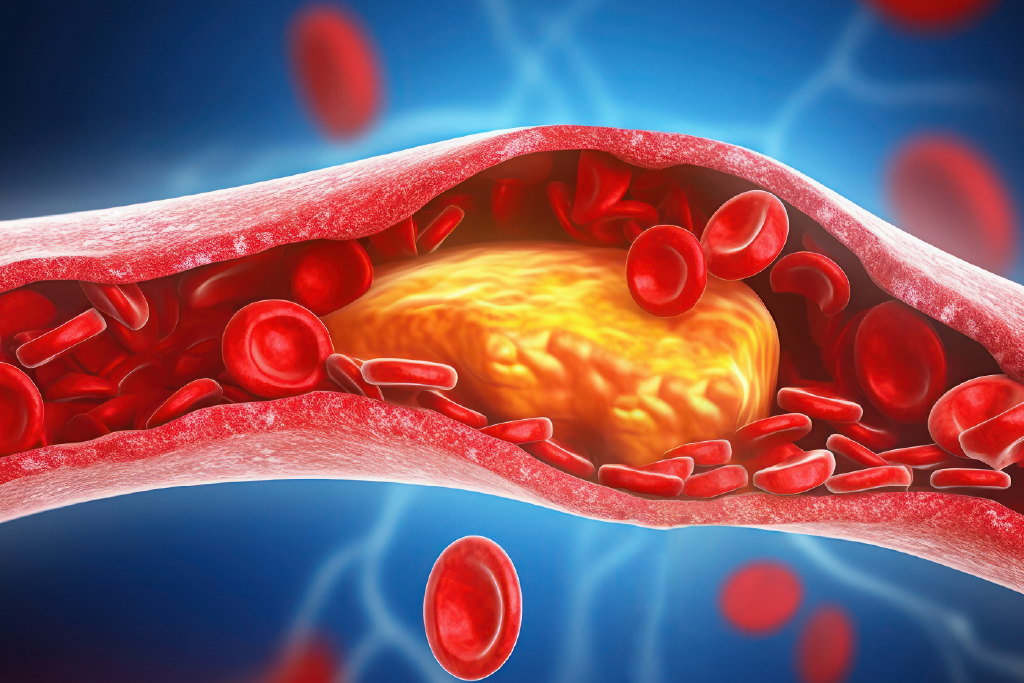
Hyperlipidaemia is a medical term for elevated cholesterol or triglyceride levels in the bloodstream. These fats are necessary in small amounts, but when present in excess, they can build up along artery walls and restrict blood flow, a process known as atherosclerosis.
There are two main types of cholesterol:
- Low-Density Lipoprotein (LDL) – often called “bad cholesterol,” because it contributes to plaque buildup.
- High-Density Lipoprotein (HDL) – known as “good cholesterol,” as it helps remove excess fat from the bloodstream.
When LDL is too high or HDL is too low, the arteries can harden or narrow over time, increasing the risk of cardiovascular events.
Does High Cholesterol Cause Any Symptoms?
In most cases, no. Hyperlipidaemia is often called a “silent condition” because it doesn’t cause pain, fatigue, or discomfort. Many people with high cholesterol feel completely well and may only discover it during a routine health screening or blood test.
In rare cases, people with very high cholesterol levels may develop physical signs such as:
- Yellowish patches around the eyes (xanthelasma)
- Fatty lumps under the skin, especially around joints (xanthomas)
- A white or grey ring around the cornea (corneal arcus)
These signs are uncommon and usually appear only when cholesterol levels are extremely high, often due to inherited conditions like familial hypercholesterolaemia.
What Causes Hyperlipidaemia?
High cholesterol can result from a combination of genetic and lifestyle factors. Common causes include:
- Diet high in saturated fats and trans fats
- Lack of physical activity
- Smoking or excessive alcohol intake
- Being overweight or obese
- Medical conditions such as diabetes, kidney disease, or hypothyroidism
- Family history of early heart disease or high cholesterol
Even if you maintain a healthy lifestyle, genetics alone can predispose some individuals to elevated lipid levels, which is why regular testing is essential.
How Is Hyperlipidaemia Diagnosed?
Because the condition is silent, the only reliable way to detect it is through a blood test known as a lipid profile. This test measures:
- Total cholesterol
- LDL (“bad”) cholesterol
- HDL (“good”) cholesterol
- Triglycerides
Your cardiologist or family doctor may recommend this test if you:
- Are over the age of 40
- Have a family history of high cholesterol or early heart disease
- Have other risk factors such as hypertension, diabetes, or smoking
The test results help determine your overall cardiovascular risk and guide treatment decisions.
What Happens If High Cholesterol Is Left Untreated?
Without treatment, excess cholesterol can accumulate in the arteries and form plaques. Over time, these plaques narrow the arteries, making it harder for blood to flow. This may eventually lead to:
- Coronary artery disease (angina or heart attack)
- Stroke (if blood flow to the brain is affected)
- Peripheral artery disease (narrowing of leg arteries)
Because symptoms often appear only when serious damage has already occurred, prevention and early detection are crucial.
Frequently Asked Questions
1. Can I feel if my cholesterol is high?
No, most people with high cholesterol have no symptoms. It can only be confirmed through a blood test.
2. How often should I get my cholesterol checked?
Adults aged 40 and above, or those with risk factors, should get tested at least once every 1–2 years, or as advised by their doctor.
3. Can hyperlipidaemia be inherited?
Yes. Familial hypercholesterolaemia is a genetic condition that causes very high cholesterol levels, often requiring early and lifelong management.
4. What can I do to lower my cholesterol?
A balanced diet, regular exercise, and avoiding tobacco or excessive alcohol can help. Some people may also need cholesterol-lowering medication as prescribed by their doctor.
5. Does lowering cholesterol really reduce heart disease risk?
Yes. Studies show that controlling cholesterol levels reduces the risk of heart attack, stroke, and related complications.
Take Charge of Your Heart Health Today
When You Can’t Feel It, Testing Is the Only Way to Know
Hyperlipidaemia is one of the most common yet overlooked risk factors for heart disease. Since it often causes no symptoms, regular cholesterol screening is the most reliable way to detect it early and prevent complications.
At Heart Specialist International, we provide comprehensive cardiac assessments, including cholesterol and lipid testing, to help identify and manage risk factors before they lead to heart problems.
- Mount Elizabeth Novena Specialist Centre, 38 Irrawaddy Road #07-41, Singapore 329563
- Call +65 6962 1287
- Book an Appointment